
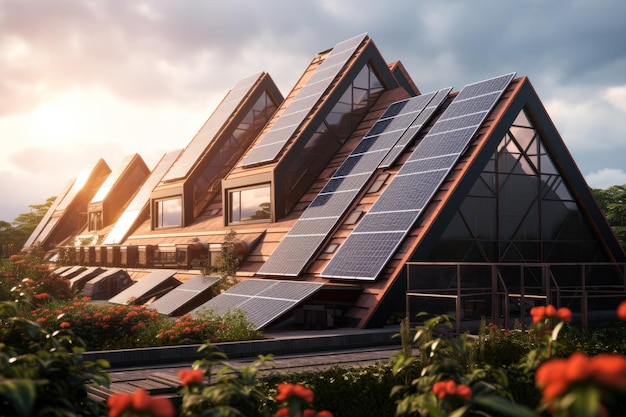
In the age of automation, smart homes are transforming into self-sufficient ecosystems using solar energy, artificial intelligence, and eco-conscious design to elevate productivity and sustainability.
Solar panels integrated seamlessly into rooftops capture sunlight, while intelligent energy management systems predict usage patterns and store power in home batteries. During peak sunshine, excess energy is diverted to DIY gardens, heating, or smart lighting systems to minimize waste.
Artificial intelligence assistants monitor indoor conditions—temperature, humidity, air quality—and adjust HVAC systems and windows accordingly. Voice-activated or gesture controls reduce the friction of manual tasks, empowering residents to focus on meaningful work.
Productivity tools integrated into smart homes include scheduling dashboards that sync with lights, blinds, and ambient soundscapes, creating focused work zones. Notifications adapt to priorities: routine alerts are deferred during working hours, emergency information is surfaced instantly.
Eco-friendly materials in insulation, low-VOC paints, and recycled components further reduce environmental impact. Combined with passive solar design and energy-efficient appliances, modern smart homes illustrate how technology and sustainability can coexist to enhance comfort and productivity.